

When a dog behavior incident occurs—a bite, a lunge, or a serious confrontation—it is often described as sudden or unpredictable. In reality, most incidents are not random. They are the result of identifiable variables stacking together at the wrong moment.
Understanding incidents requires shifting from emotion-based explanations to risk-based analysis. This is the foundation of the Risk Matrix approach used by Bay K9.
Why Dog Behavior Incidents Feel “Out of Nowhere”
After an incident, owners commonly say:
- “He’s never done this before.”
- “There were no warning signs.”
- “It happened so fast.”
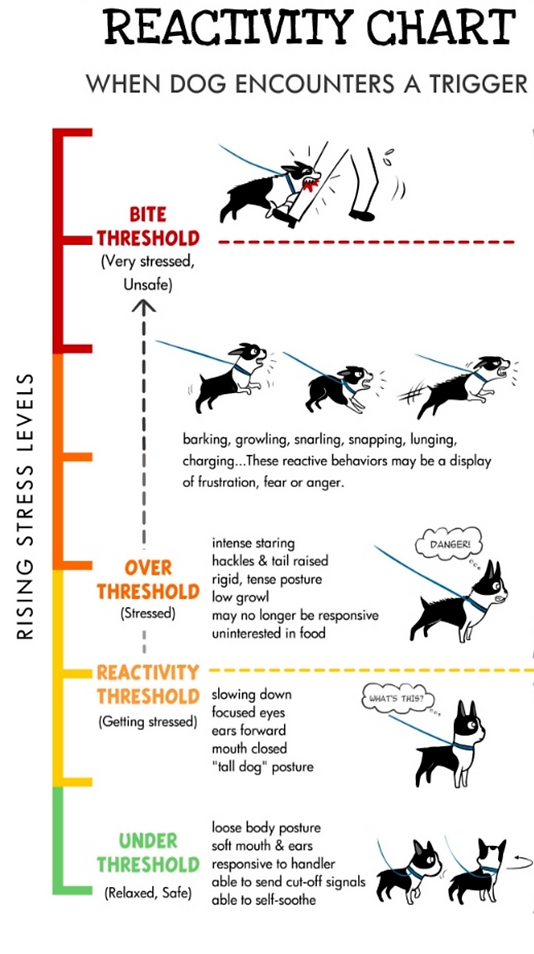
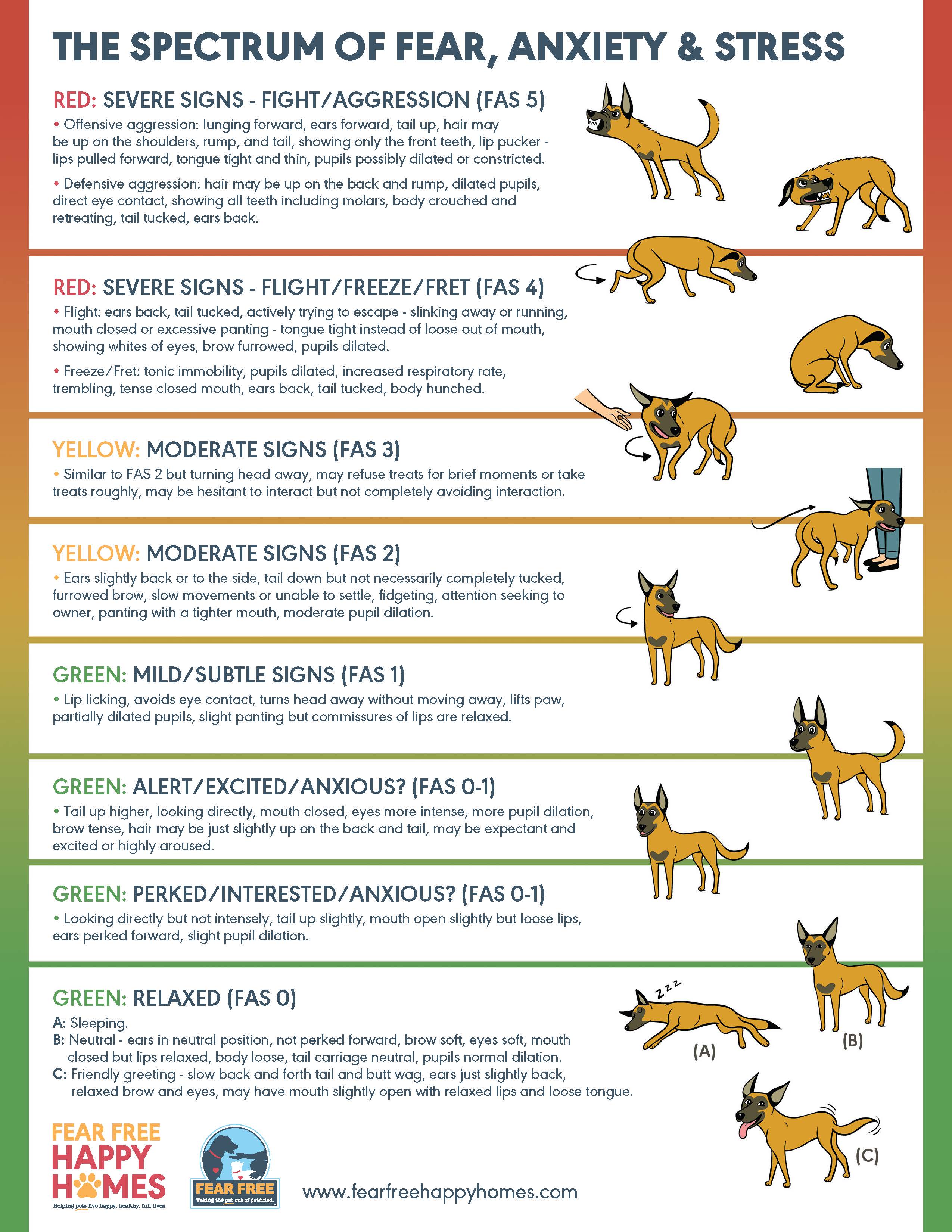
What’s usually missing is a system for recognizing early risk indicators. Dogs communicate stress long before escalation, but without a framework, those signals are easy to miss.
Incidents feel sudden only when patterns are not tracked.
What the Risk Matrix Is (and Is Not)
The Risk Matrix is not:
- A training command
- A correction technique
- A behavioral label
The Risk Matrix is:
- A predictive analysis tool
- A safety-first decision framework
- A way to evaluate situations, not just dogs
It allows owners and professionals to assess how likely an incident is before it occurs.
The Four Variables That Create an Incident
Every dog behavior incident can be broken down into four core variables. When these variables align, risk increases rapidly.

1. Environment
Certain environments increase pressure automatically:
- Narrow trails and sidewalks
- Doorways and hallways
- Vehicles and unloading zones
- Crowded public areas
Limited escape options = increased stress.
2. Trigger
Triggers are not just “other dogs.” Common triggers include:
- Fast-moving objects (bikes, runners)
- Direct eye contact
- Looming posture
- Sudden noise or surprise
- Physical restraint or handling
Triggers stack. One trigger may be manageable; multiple triggers often are not.
3. Distance
Distance is one of the most underestimated factors in dog behavior.
As distance decreases:
- Stress increases
- Reaction time shortens
- Cognitive processing drops
Many incidents occur simply because distance was mismanaged, not because the dog intended harm.
4. Handler Response
The handler’s timing often determines the outcome.
Common escalation errors:
- Sudden leash tightening
- Hesitation or freezing
- Emotional vocal cues
- Late directional decisions
Dogs respond to patterns, not intentions.
The Risk Matrix at a Glance
Here is a simplified example of how the Risk Matrix works in real life:
| Variable | Low Risk | Medium Risk | High Risk |
|---|---|---|---|
| Environment | Open space | Semi-confined | Narrow / no exit |
| Trigger | Single, distant | Multiple, visible | Sudden & close |
| Distance | Safe buffer | Closing gap | Critical proximity |
| Handler Response | Calm, proactive | Delayed | Reactive / tense |
High risk occurs when multiple “Medium” or “High” factors stack at once.
How Risk Stacking Leads to Incidents
Incidents rarely come from one mistake. They occur when several manageable risks combine.
Example scenario:
- Narrow trail (environment)
- Off-leash dog approaching head-on (trigger)
- No room to step off trail (distance)
- Tight leash and delayed movement (handler response)
This is not bad luck.
It is predictable risk stacking.
Why Obedience Training Alone Cannot Prevent Incidents
Obedience relies on a dog’s ability to think clearly. When stress exceeds threshold:
- Learned commands become inaccessible
- Reflexive behavior takes over
- Reaction happens before cognition
This is why risk management must come before obedience. Safety decisions matter more than cues when pressure is high.
Early Warning Signals Owners Commonly Miss
Most incidents are preceded by subtle changes, including:
- Sudden freezing or slowing
- Environmental scanning
- Delayed response to cues
- Lip licking or yawning
- Increased leash tension without pulling
These signals are data. The Risk Matrix teaches owners how to interpret them in context.
Legal and Liability Considerations (Often Overlooked)
In California, dog behavior incidents carry legal consequences even when:
- There is no prior history
- The dog is normally friendly
- The owner did not intend harm
Suppressed warning signals increase liability. This is why professional risk analysis is often paired with dog aggression help and legal guidance.
Who Benefits Most From the Risk Matrix Approach
This framework is especially valuable for:
- Reactive or fearful dogs
- High-drive or working breeds
- Dogs with prior incidents or near-misses
- Owners navigating busy public spaces
- Anyone concerned about safety and liability
Many owners report clarity and confidence after understanding how incidents are built, rather than blaming the dog.
From Reaction to Prevention
The Risk Matrix changes the core question.
Instead of asking:
“What do I do if my dog reacts?”
Owners learn to ask:
- “Is this situation safe to enter?”
- “Which variables can I control right now?”
- “Is there distance or an exit option?”
This shift alone dramatically reduces incidents.
Why Professional Oversight Matters
Risk analysis is most effective when guided by experienced professionals who understand:
- Behavior patterns
- Environmental pressure points
- Ethical management
- Legal exposure
This is why Bay K9 integrates the Risk Matrix into behavior assessments, aggression cases, and forensic evaluations.
Understanding the Anatomy of an Incident Changes Outcomes
Incidents are not failures—they are information.
When owners learn how to read and manage risk:
- Fear is replaced with clarity
- Decisions become proactive
- Dogs experience less pressure
- Communities become safer
Ready to Reduce Risk Instead of Reacting to It?
If this article resonates, you may want to explore:
- Dog Aggression Help
- Behavior & Handler Assessments
- Data-Driven K9 Management
- Legal & Safety Guidance
Understanding risk is not about blame.
It’s about responsibility, safety, and informed decision-making.