

When a dog shows aggressive behavior, most owners instinctively focus on how to stop the behavior. While this reaction is understandable, it is often the wrong starting point. Aggression cases are not obedience problems—they are safety problems.
Safety-oriented thinking shifts the focus away from quick fixes and toward risk reduction, predictability, and responsible decision-making. This mindset is foundational in how Bay K9 approaches aggression cases across Marin County.
Why Aggression Requires a Different Mindset
Aggression is rarely about dominance or defiance. In most cases, it is a response to fear, pressure, uncertainty, or perceived threat. When owners treat aggression as a training failure, they often escalate risk unintentionally.
Common outcomes of the wrong mindset include:
- Suppressing warning signals instead of reducing fear
- Increasing pressure through correction
- Placing dogs in unsafe environments too soon
- Underestimating legal and public safety consequences
Safety-oriented thinking addresses aggression as a risk management issue, not a behavior to overpower.
The First Shift: From “Fix the Dog” to “Stabilize the Situation”
Many owners ask, “How do I stop my dog from reacting?”
The safer question is, “Is this situation safe for my dog to be in right now?”
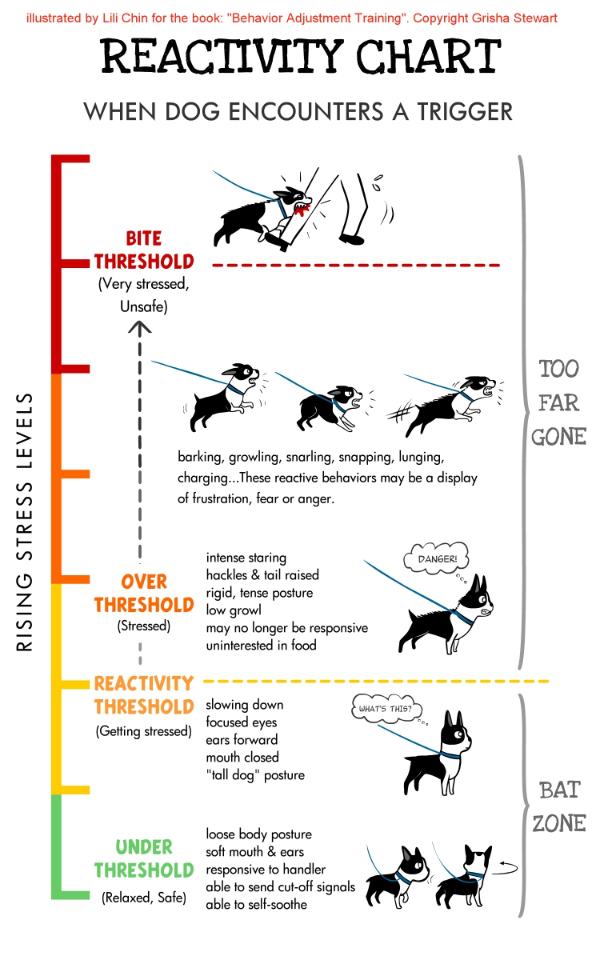
Aggressive behavior often occurs when dogs are repeatedly placed in situations that exceed their emotional threshold. Stabilization comes before modification.
Stabilization includes:
- Reducing exposure to known triggers
- Increasing distance and exit options
- Avoiding unpredictable environments
- Preventing rehearsal of aggressive responses
This principle is closely connected to risk matrix incident analysis, where situations are evaluated before engagement
→ https://bayk9.com/risk-matrix-incident-analysis
The Second Shift: From Obedience Pressure to Risk Awareness
Obedience does not equal safety.
Dogs under high stress cannot reliably access learned commands. Expecting obedience during fear or arousal often increases frustration for both dog and handler.
Safety-oriented thinking prioritizes:
- Environmental control over commands
- Distance over compliance
- Exit planning over confrontation
- Predictability over exposure
This is why aggression cases often require management before training, a principle explained further in data-driven K9 management
→ https://bayk9.com/data-driven-k9-management
The Third Shift: From Intent to Responsibility
Many owners rely on good intentions:
- “My dog didn’t mean it”
- “He was just scared”
- “She’s never done this before”
While intent matters emotionally, it does not remove responsibility.
In California, dog owners are legally responsible for preventing foreseeable incidents, even when aggression is fear-based. Understanding this responsibility is critical for long-term outcomes.
The American Veterinary Society of Animal Behavior emphasizes that aggression prevention must prioritize safety over suppression
→ https://avsab.org/resources/position-statements/
Safety-Oriented Thinking in Practice
Safety-oriented thinking changes everyday decisions.
| Situation | Reactive Approach | Safety-Oriented Approach |
|---|---|---|
| Dog sees another dog | Demand obedience | Increase distance |
| Dog growls | Correct behavior | Create space |
| Dog lunges | Apply stronger control | Exit environment |
| Public exposure | “Let them work it out” | Avoid risk stacking |
This shift dramatically reduces incidents while emotional stability is being rebuilt.
Why Suppressing Aggression Increases Danger
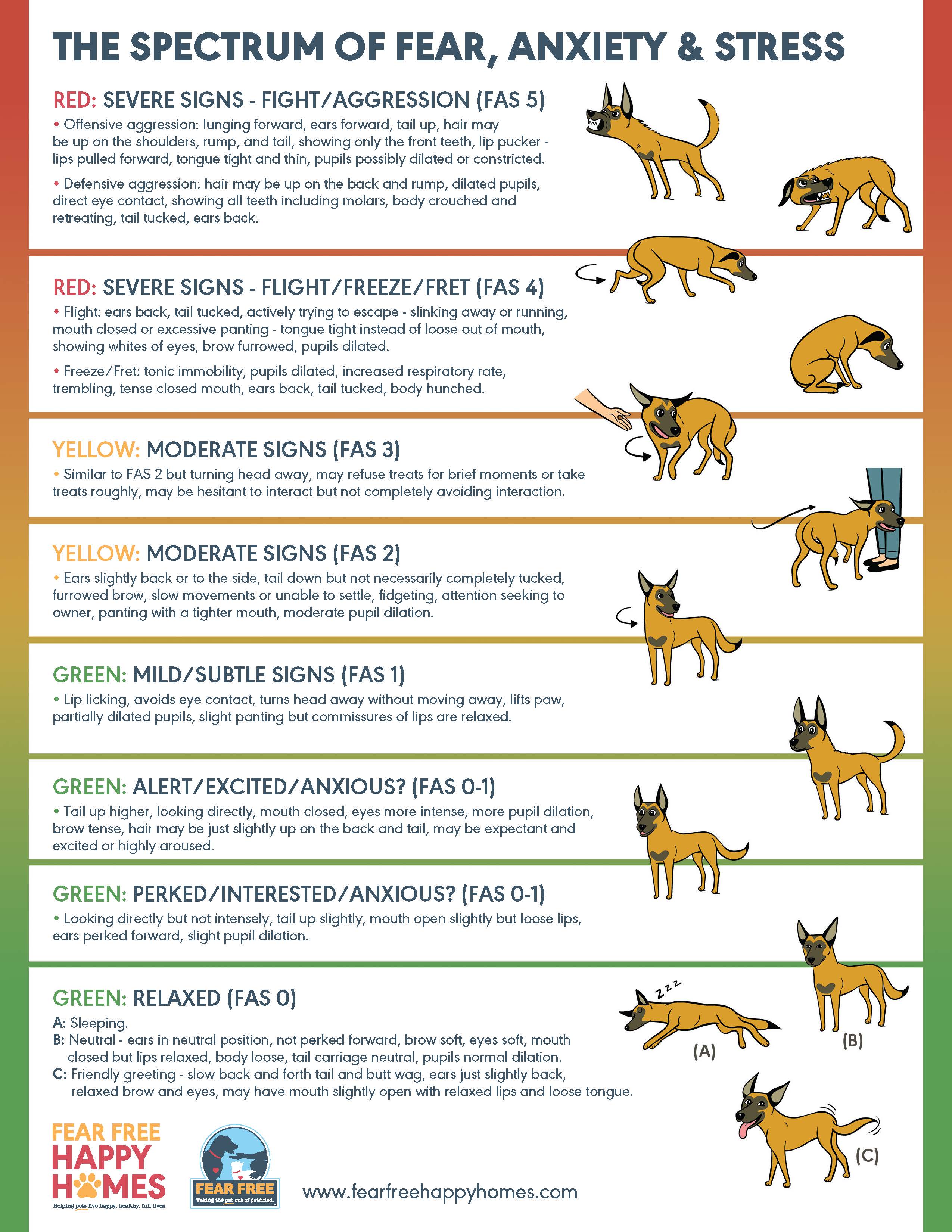
Punishing growling, snapping, or avoidance removes communication signals without reducing fear. This leads to:
- Silent escalation
- Sudden explosive reactions
- Increased bite risk
- Higher legal exposure
Safety-oriented thinking preserves communication while reducing pressure, allowing dogs to signal discomfort before reaching crisis.
The Role of the Handler in Safety Outcomes
Handler behavior often determines whether a situation escalates or resolves. Safety-oriented handlers learn to:
- Read early stress signals
- Make proactive decisions
- Stay emotionally neutral
- Avoid hesitation in high-risk moments
This aligns with Module II: The Handler’s Profile, which focuses on how human behavior directly affects outcomes. Many owners first encounter this concept through dog training near me resources
→ https://bayk9.com/dog-training-near-me
When Aggression Requires Professional Oversight
Safety-oriented thinking does not mean handling aggression alone. Professional involvement is critical when:
- Incidents or near-misses have occurred
- Intensity is increasing
- Warning signals feel inconsistent
- Public safety is at risk
- Legal consequences are possible
This is where structured dog aggression help and behavior assessments provide clarity and accountability.
Safety Is the Path to Progress, Not the Opposite
Many owners fear that prioritizing safety means giving up on improvement. In reality, safety creates the conditions where improvement becomes possible.
When dogs feel safer:
- Stress decreases
- Recovery improves
- Learning capacity returns
- Predictability increases
Progress built on safety lasts. Progress built on pressure does not.
Final Thought
Aggression cases do not improve through force, urgency, or denial. They improve through clarity, structure, and safety-oriented thinking.
If your dog’s behavior has crossed from frustrating into concerning, shifting your mindset may be the most important step you take.
Explore related resources:
- Dog Aggression Help
- Risk Matrix Incident Analysis
- Aggression vs Genetic Drive
- Data-Driven K9 Management
Safety is not avoidance.
It is responsibility in action.