

When puppy training struggles, the problem is rarely the puppy. It is almost always the handler profile. Puppies learn patterns faster than commands, and in the first 30 days, they are learning how you respond to stress, excitement, mistakes, and uncertainty.
At Bay K9, handler development is treated as a core pillar of puppy success—not an afterthought. This page explains why your behavior, timing, and decision-making matter more than any cue you teach.
What the “Handler Profile” Really Means
The handler profile refers to the human side of the training equation. Puppies do not interpret rules the way humans do. They interpret:
- Patterns
- Timing
- Emotional consistency
- Physical movement
- Environmental decisions
Your puppy is constantly learning what works based on what you allow, repeat, and reinforce—intentionally or not.
This concept is formalized as Module II: The Handler’s Profile within the Bay K9 Canine Success Framework™.
Why the First 30 Days Matter More Than the Next 3 Years
During the first month, puppies form expectations about:
- How predictable their environment is
- Whether guidance is consistent
- How humans respond under pressure
- Whether excitement or calm is rewarded
Once these expectations are set, they are difficult to undo. This is why early handler clarity prevents many future behavior problems addressed later through new puppy training
→ https://bayk9.com/new-puppy-training
The Most Common Handler Mistakes New Puppy Owners Make
Most mistakes are not intentional. They come from emotion, urgency, or misinformation.
Common handler errors include:
- Repeating cues instead of changing environment
- Allowing behaviors “just for now”
- Reacting emotionally to normal puppy behavior
- Providing freedom before structure
- Inconsistent follow-through
These patterns teach puppies confusion, not learning.
How Puppies Actually Learn From Handlers
Puppies learn through cause and effect, not explanations.
They are constantly asking (unconsciously):
- “What happens when I do this?”
- “Does this behavior work?”
- “Is this environment safe or unpredictable?”
Handlers shape answers through timing and consistency—not words.
Handler Behavior That Creates Calm Puppies
Effective handlers consistently:
- Intervene early instead of late
- Control distance from stimulation
- End exposure before overload
- Remain emotionally neutral
- Use management before correction
This is why handler coaching is often more effective than adding more training drills.
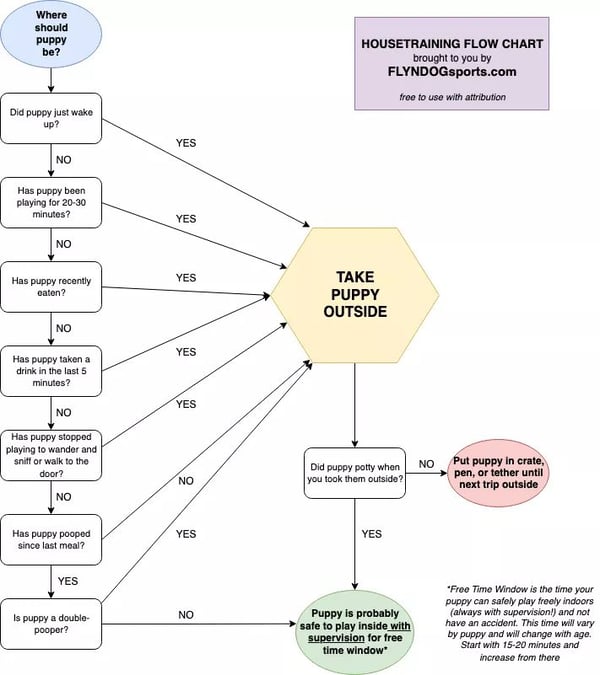
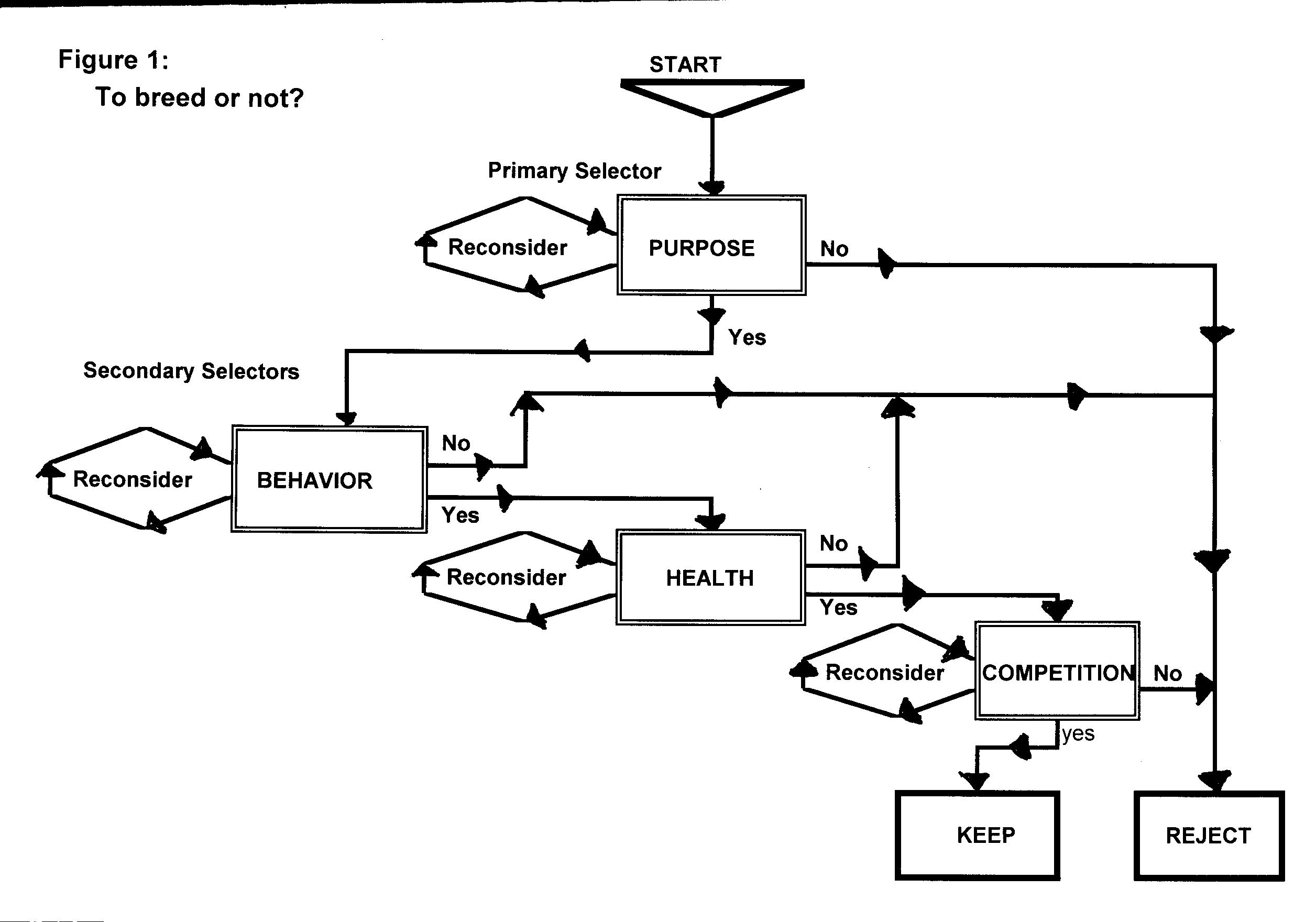
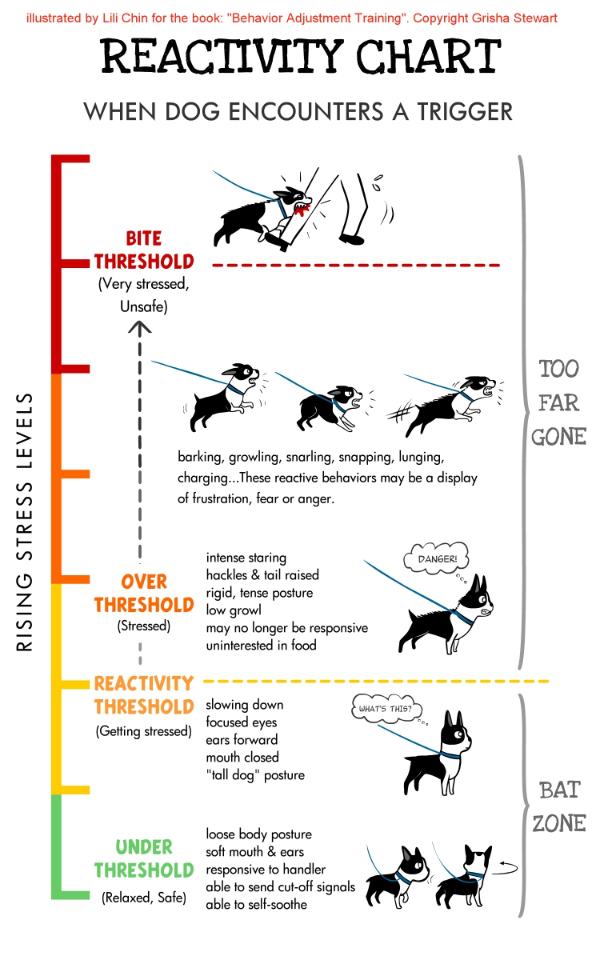
Visual Decision Charts: Handler Choices in Real Time
The following visual concepts are used when coaching handlers through real-world decisions.
4
These charts help handlers quickly assess:
- Is my puppy calm or escalating?
- Do I add structure or freedom?
- Do I increase distance or ask for behavior?
- Do I stay or exit the environment?
Good handler decisions prevent problem behavior before it begins.
Handler Profile and Puppy Socialization
Many socialization problems are actually handler problems.
When handlers:
- Rush greetings
- Allow leash pulling toward dogs
- Reward excitement with access
- Hesitate under pressure
Puppies learn that arousal works.
This is why handler clarity is essential in avoiding common Marin puppy socialization traps
→ https://bayk9.com/marin-puppy-socialization-traps
Genetics Still Matter—But Handlers Decide Outcomes
Breed traits influence energy, sensitivity, and frustration tolerance. However, handlers determine whether those traits are:
- Managed responsibly
- Allowed to escalate
- Suppressed incorrectly
Understanding genetics early through a puppy genetic profile helps handlers make better decisions
→ https://bayk9.com/puppy-genetic-profile
Handler Responsibility and Safety Awareness
Even puppies are subject to:
- Leash laws
- Public safety expectations
- Owner liability
Handler decisions determine whether puppies are placed into situations they can handle emotionally. This is why safety-oriented thinking is introduced early, not after incidents occur.
For risk awareness, see:
Signs a Puppy Needs Better Handler Structure (Not More Training)
Watch for:
- Pulling toward stimulation
- Frustration barking
- Difficulty settling after outings
- Ignoring cues under excitement
- Rapid escalation in new environments
These are signs that handler decisions—not puppy ability—need adjustment.
What a Strong Handler Profile Produces
Puppies raised under clear handler guidance become dogs who:
- Recover quickly from stress
- Remain responsive under distraction
- Accept boundaries calmly
- Are easier to manage in public
- Pose lower long-term risk
This is prevention, not correction.
Final Thought
Your puppy is not training to listen to words.
Your puppy is training to understand you.
The first 30 days are not about perfection—they are about clarity, consistency, and responsibility. Build the handler profile correctly, and the puppy’s behavior follows.
Explore related resources:
- New Puppy Training
- Marin Puppy Socialization Traps
- Puppy Safety Guide
- Data-Driven K9 Management
Strong handlers raise stable dogs.
FAQs
What is a puppy handler profile?
A puppy handler profile refers to how an owner’s timing, emotional responses, consistency, and decision-making influence puppy behavior. Puppies learn patterns from handlers more than commands.
Why is handler behavior more important than puppy training drills?
Because puppies respond to environment and consequence. Poor handler timing or inconsistency can override even well-taught commands.
How soon should handler coaching begin?
Immediately. The first 30 days with a puppy are the most influential period for establishing expectations and emotional stability.
Can handler mistakes cause reactivity later?
Yes. Over-exposure, inconsistent boundaries, and rewarding excitement often contribute to leash reactivity and frustration behaviors in adolescence.
Does handler coaching replace puppy training?
No. Handler coaching supports puppy training by ensuring learning transfers to real-world environments safely and consistently.