

Every puppy arrives with a built-in operating system. Before training begins, before habits form, before mistakes are made, your puppy already carries a genetic blueprint that shapes how they move, think, react, and cope with the world.
Ignoring genetics is one of the most common reasons puppy training fails. At Bay K9, understanding genetics is not optional—it is the starting point of responsible puppy development.
This page explains how genetics influence behavior, why mismatched expectations create future problems, and how owners can work with their puppy’s biology instead of against it.
What the Puppy Genetic Blueprint Really Means
The genetic blueprint refers to inherited behavioral tendencies selected over generations. These traits influence how your puppy naturally responds to stimulation, pressure, movement, and novelty.
Genetics affect:
- Energy level and stamina
- Sensitivity to sound, touch, and environment
- Prey drive and chase behavior
- Guarding or territorial awareness
- Frustration tolerance and recovery speed
Training can shape expression, but it cannot erase genetic wiring.
This concept is formalized as Module I: The Genetic Blueprint within the Bay K9 Canine Success Framework™.
Why Genetics Matter Before Training Begins
Many owners wait until problems appear before considering genetics. By that point, habits have already formed and pressure has already accumulated.
Understanding genetics early allows owners to:
- Set realistic expectations
- Choose appropriate exposure levels
- Prevent emotional overload
- Avoid unfair correction
- Reduce long-term risk
This is why genetic awareness is introduced at the start of new puppy training
→ https://bayk9.com/new-puppy-training
Breed Purpose Still Matters in Modern Life
Although puppies no longer herd livestock or guard property full-time, their nervous systems still expect those roles.
For example:
- Herding breeds are highly sensitive to movement
- Working breeds have elevated arousal and endurance
- Guardian breeds are naturally suspicious of novelty
- Sporting breeds often struggle with impulse control
The American Kennel Club outlines breed purposes that explain why these tendencies appear predictably
→ https://www.akc.org/dog-breeds/
Common Problems Caused by Ignoring Genetics
When expectations clash with biology, puppies struggle.
Common fallout includes:
- Over-excitement in busy environments
- Frustration barking and leash pulling
- Shutdown or avoidance behaviors
- Reactivity during adolescence
- Owner frustration and confusion
These issues are often misdiagnosed as “training problems” when they are actually management failures.
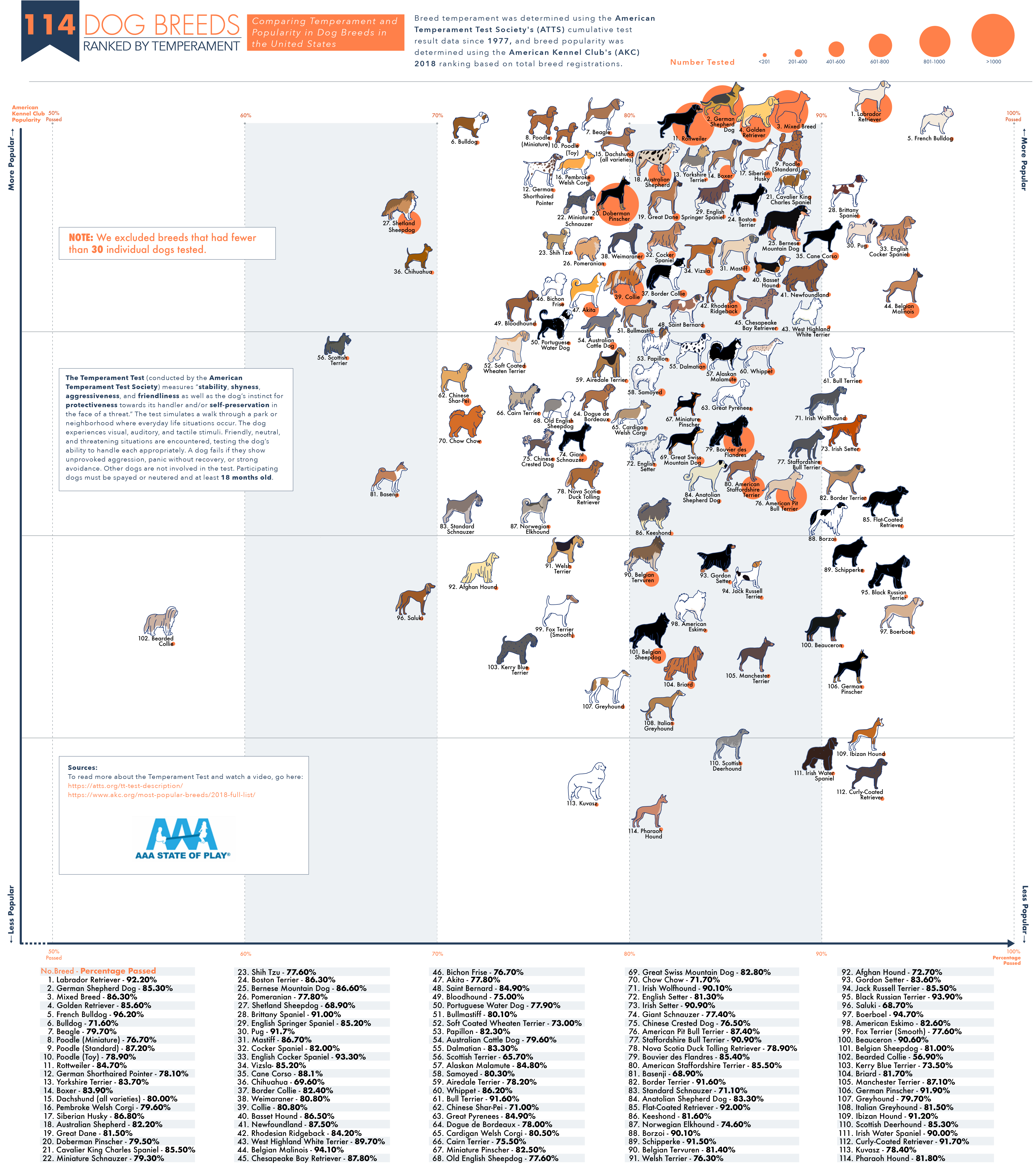
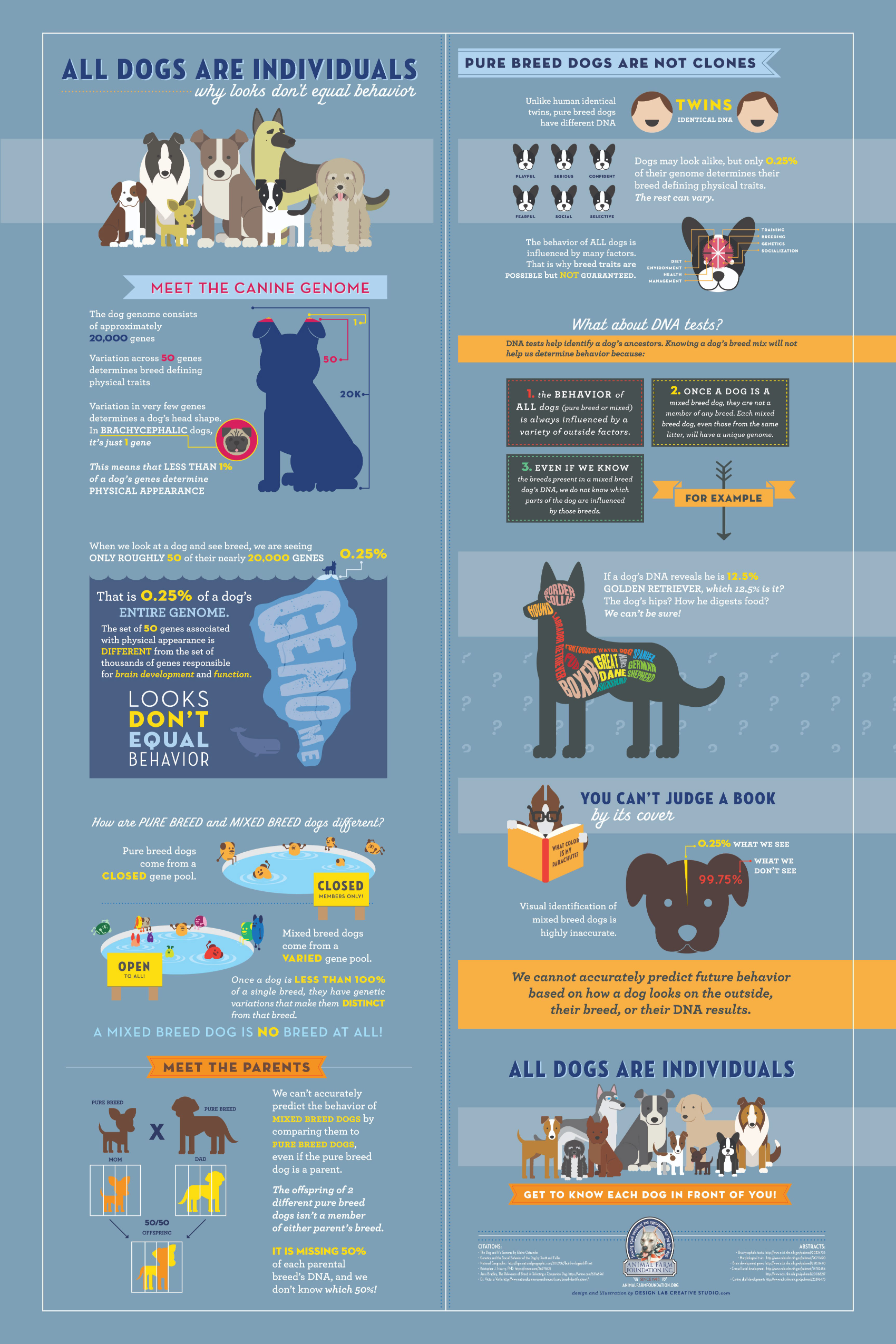
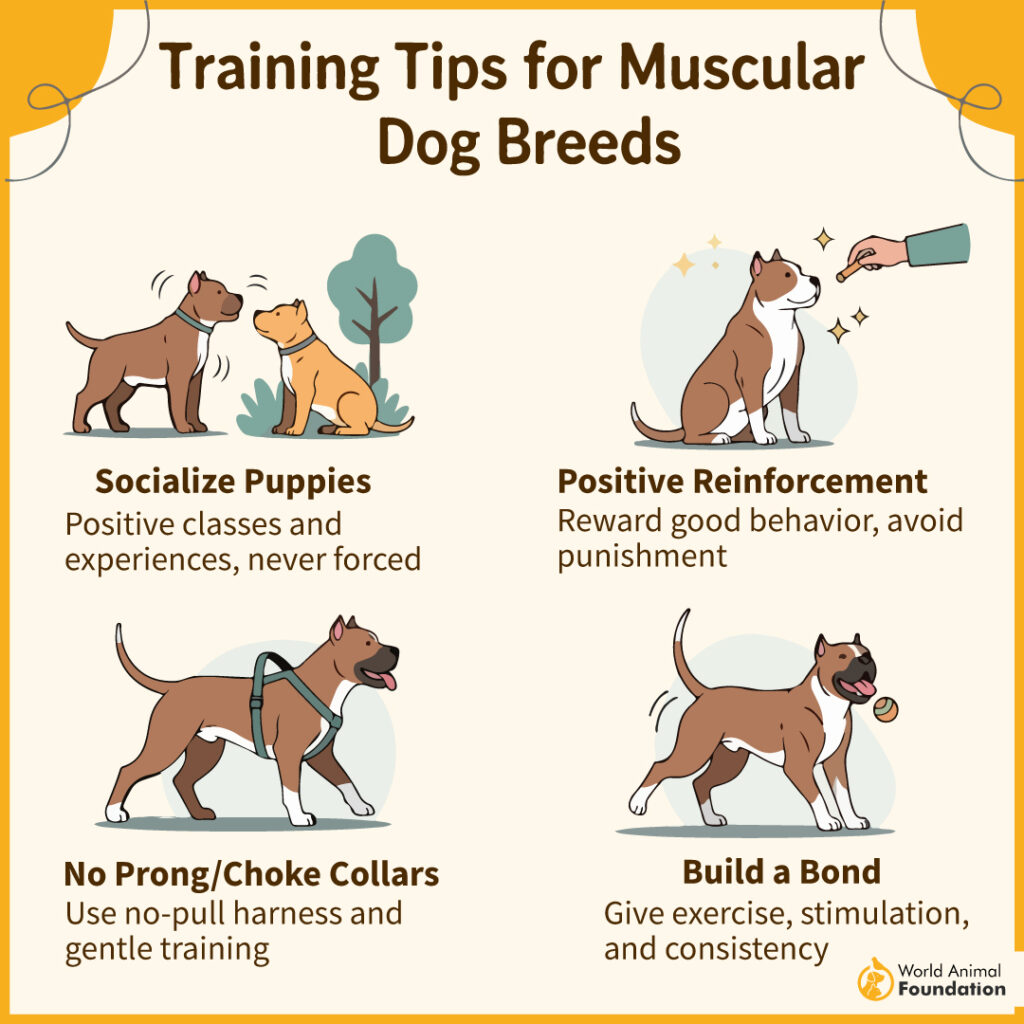
Visual Genetic Influence Charts: How Traits Shape Behavior
4
These visual models help owners understand:
- Why certain behaviors emerge naturally
- Why some puppies escalate faster than others
- Why exposure limits differ between breeds
- Why “more socialization” is not always better
Genetics determine how much pressure a puppy can handle—not training enthusiasm.
Genetics and Puppy Socialization
Not all puppies need the same type or amount of socialization.
High-drive or sensitive puppies:
- Reach overload faster
- Struggle with chaotic environments
- Require structured exposure
- Benefit from distance-based observation
This is why genetic awareness is essential in avoiding common Marin puppy socialization traps
→ https://bayk9.com/marin-puppy-socialization-traps
Genetics vs Aggression: A Critical Distinction
Many drive-based behaviors are misinterpreted as aggression:
- Intense focus
- Forward movement
- Vocalization
- Resistance to restraint
Without genetic context, these behaviors are often corrected harshly, creating real emotional aggression later.
This distinction is explained in detail here:
→ https://bayk9.com/aggression-vs-genetic-drive
The Role of the Handler in Genetic Expression
Genetics provide the blueprint, but handlers decide how traits are expressed.
Handler decisions influence whether genetics become:
- Controlled and predictable
- Suppressed and explosive
- Managed and channeled
- Overstimulated and reactive
This is why Module II: The Handler’s Profile is taught alongside genetic awareness
→ https://bayk9.com/puppy-handler-coaching
Genetics, Risk, and Public Safety
Certain genetic traits elevate risk in specific environments. Recognizing this early helps owners:
- Avoid unsafe exposure
- Plan exits proactively
- Reduce incident probability
- Protect legal standing
This thinking aligns closely with risk matrix incident analysis
→ https://bayk9.com/risk-matrix-incident-analysis
Signs Your Puppy’s Genetics Are Being Pushed Too Hard
Watch for:
- Escalating excitement with minimal stimulation
- Difficulty settling after outings
- Fixation on movement or animals
- Frustration when access is denied
- Decreased responsiveness under pressure
These signals indicate the need to adjust expectations, not increase correction.
What Happens When Genetics Are Respected
Puppies raised with genetic awareness become dogs who:
- Recover quickly from stress
- Handle public environments calmly
- Accept boundaries without conflict
- Are easier to train long-term
- Pose lower behavioral risk
This is prevention at its highest level.
Final Thought
Your puppy is not a blank slate.
They are a biological system shaped by purpose and selection.
When owners understand the genetic blueprint early, training becomes clearer, kinder, and far more effective.
Explore related resources:
- New Puppy Training
- Puppy Handler Coaching
- Marin Puppy Socialization Traps
- Data-Driven K9 Management
Training starts with biology.
Success starts with understanding.